If you write software in 2026, the question is no longer whether an AI coding assistant belongs in your workflow. It is which one. The two serious contenders are OpenAI’s Codex line, now built on the GPT-5 family, and Anthropic’s Claude Code. I use both in client work at DevWharf, and they are genuinely different tools with different strengths. Here is how they actually compare, and how to pick the one that fits the way your team works.
Where each one came from
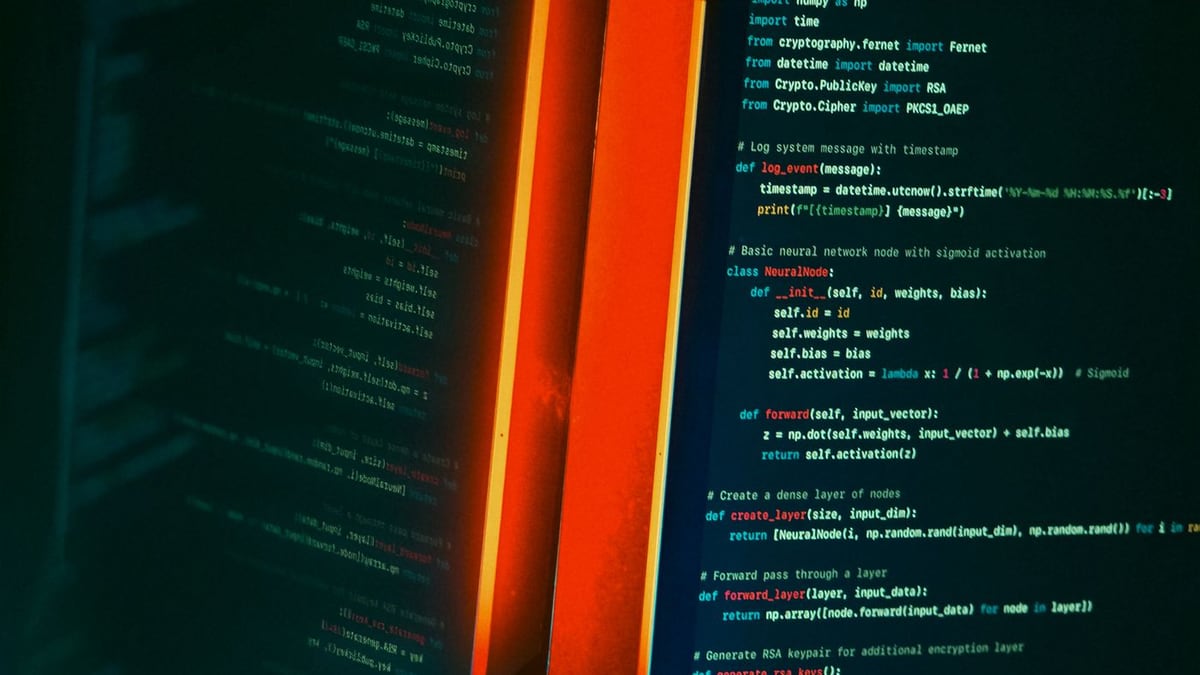
OpenAI’s Codex has the longer lineage. It started as the GPT-3-era code model behind the original GitHub Copilot in 2021 and has evolved into dedicated coding variants of GPT-5, with GPT-5.2-Codex and GPT-5.3-Codex arriving over the winter of 2025 to 2026 and GPT-5.4 following in July 2026. Claude Code is younger and more opinionated: it launched as a research preview in February 2025, hit general availability that May, and grew up as an agentic tool, one that reads your whole project, edits files, runs tests, and works in your terminal or IDE rather than in a chat box.
The philosophical split
The comparison that matters is not benchmark points. It is how the two vendors think about developers.
OpenAI builds a platform. Codex models plug into a large tool ecosystem: an Agents SDK for building custom assistants, a sandboxed code interpreter, web search tools, and deep GitHub and Microsoft integration through Copilot. Published benchmark results have been strong, with OpenAI reporting state-of-the-art scores on industry suites like SWE-Bench Pro and Terminal-Bench 2.0 for its recent Codex models. Pricing is usage-based: you pay per token, which scales smoothly but takes discipline to forecast.
Anthropic builds a coworker. Claude Code ships as a terminal agent and VS Code extension with project-level workflows baked in: checkpoints you can roll back to, reusable skills, hooks that run your tests before a commit, and an automated /security-review command that audits code for vulnerabilities. Recent Claude models carry contexts up to a reported one million tokens, which is the difference between an assistant that sees one file and one that holds your whole codebase in its head. Pricing mixes subscription seats with API usage, which makes per-developer costs predictable.
What that means day to day
- Greenfield builds and one-shot generation: Codex tends to produce polished first drafts quickly, and its ecosystem shines if you already live in VS Code with Copilot, GitHub Actions, and the Microsoft stack.
- Living inside an existing codebase: Claude Code is built for multi-file refactors, dependency upgrades across a repository, writing tests for legacy code, and long-running tasks where it plans, edits, runs, and iterates without you copy-pasting anything.
- Security-sensitive work: Claude Code’s built-in security review and sandboxed execution are a real differentiator; OpenAI counters with its own guardrails and an isolated code-interpreter sandbox.
- Enterprise compliance: both vendors offer SOC 2 posture, HIPAA agreements, and enterprise controls; Claude adds audit logs and US-only inference options that compliance teams tend to like.

So which one?
If your team is tool-heavy, GitHub-centric, and wants maximum raw generation speed with a huge plugin ecosystem, Codex is the safer default. If your pain is an existing system, a WordPress plugin nobody has touched since 2022, a Laravel app that needs a framework upgrade, a codebase that has outgrown its tests, Claude Code’s autonomy and whole-project context earn their keep. Plenty of shops, DevWharf included, run both and route work to whichever fits the task.
One honest caveat: this space moves monthly, version numbers and benchmark standings in this post reflect published vendor material as of mid-2026 and will age. The philosophical split, platform versus coworker, has held steady for two years and is the durable thing to base a decision on.
What this means if you are not a software shop
For most Inland Northwest businesses the real question is not which assistant to license, it is whether the developer you hire uses these tools well. AI-assisted development is why a custom application or website that took four months in 2023 can ship in weeks today, at small-business prices, without a big-agency invoice. If you have been sitting on a project because you assumed custom software was out of reach, the math has changed. See our thoughts on build vs buy vs automate, or get in touch and we will scope it honestly.
Leave a Reply